

Water Conservation in Houston: How to Reduce Your Home’s Water Footprint
It may seem counterintuitive to worry about water scarcity in a city that averages 50 inches of rain annually. But the Greater Houston area draws its water from the Trinity-San Jacinto coastal basin and the Gulf Coast Aquifer — systems under increasing stress from population growth and climate variability. Conservation also directly lowers your water and sewer bill, which in Houston can easily run $100+ per month for an average household.
Fix Invisible Leaks First
The EPA estimates that household leaks waste nearly 1 trillion gallons of water annually in the US. Common sources: toilet flapper valves (a running toilet can waste 200 gallons per day), leaky irrigation heads, and dripping faucets. Check your water meter before and after a 2-hour period when no water is being used — if it changes, you have a leak.
Convert to a Smart Irrigation System
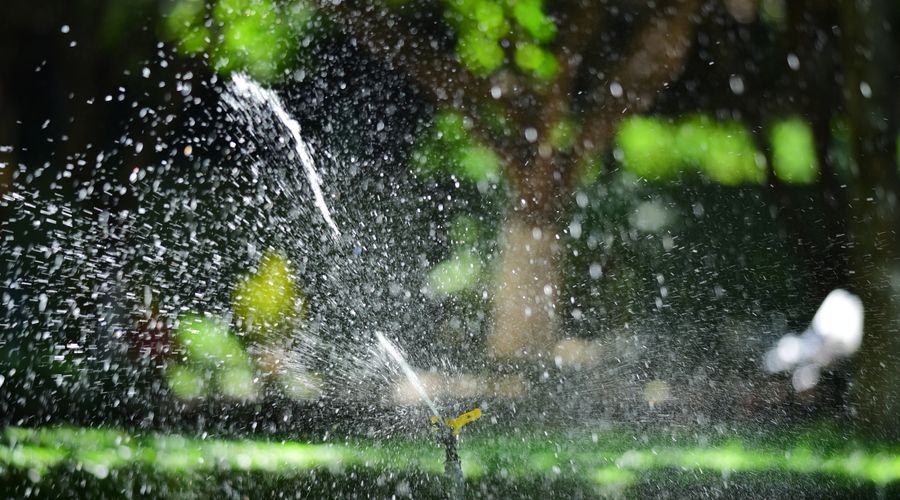
Outdoor irrigation accounts for 30–50% of residential water use in Houston during dry months. Smart irrigation controllers (like Rachio or RainBird) use local weather data to automatically skip watering when rain is expected or soil moisture is adequate. They reduce outdoor water use by 30–50% compared to traditional timer-based systems — often paying for themselves in one year on a typical Houston water bill.
Install Rainwater Harvesting
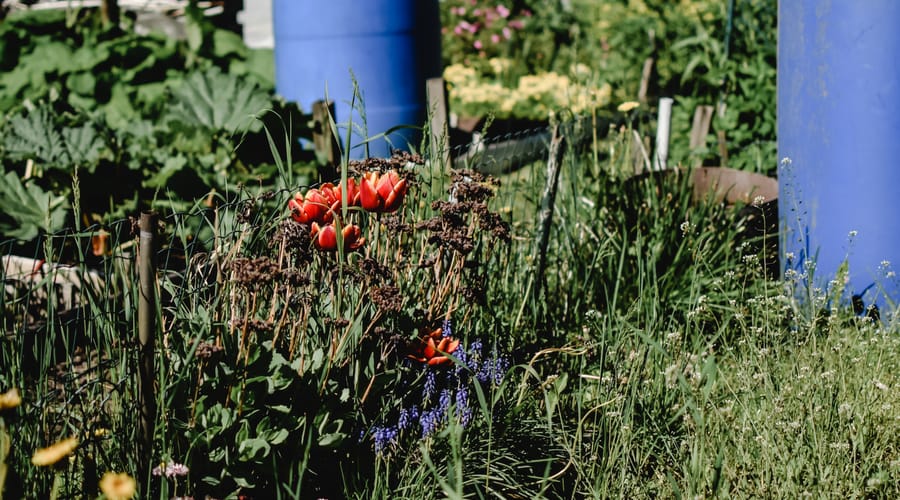
Houston receives 50 inches of rain annually — but most of it rushes off into storm drains. Rain barrels (55 gallons, $50–$100) or underground cisterns capture roof runoff for later use in garden irrigation. A 1,000 square foot roof can collect 600+ gallons from a single inch of rainfall. Rain barrels are legal in Texas and qualify for rebates through the Texas AgriLife Extension.
Upgrade to WaterSense Fixtures
WaterSense-certified showerheads use 2 gallons per minute vs. 2.5 for standard models — a 20% reduction you won’t notice in the shower. Dual-flush toilets use 0.8 gallons for liquid waste vs. 1.6 for standard. Faucet aerators reduce flow from 2.2 to 1.5 gpm for less than $5 per faucet. Houston Water offers rebates for WaterSense fixture upgrades — check their website for current programs.

Choose Drought-Tolerant Landscaping
Traditional St. Augustine grass lawns require 1–1.5 inches of water per week in summer. Buffalo grass, Zoysia, and Bermuda grass are far more drought-tolerant and recover well from dry periods. Adding mulch (3 inches deep) in garden beds reduces water evaporation by up to 70%. Replacing water-hungry shrubs with Texas natives can cut landscape irrigation needs by half.
Go Green with Gasca Services
We install smart irrigation systems, low-flow fixtures, rain barrels, and drought-tolerant landscaping across Greater Houston. Call (832) 573-7791 for a free water conservation consultation.


Leave a Reply