

Preventing Mold in Your Houston Home: A Summer Survival Guide
Houston has some of the highest mold rates of any major city in the United States — and for good reason. Our summers combine 90–95% outdoor humidity with air-conditioned interiors that create condensation on cold surfaces. Add the frequent flooding events and you have ideal mold conditions. The good news: most mold problems are preventable with the right habits and maintenance.
Understand What Causes Mold in Houston Homes
Mold needs three things: moisture, a food source (organic material like drywall paper or wood), and temperatures between 40–100°F. Houston’s summer provides all three in abundance. Common mold hotspots include:
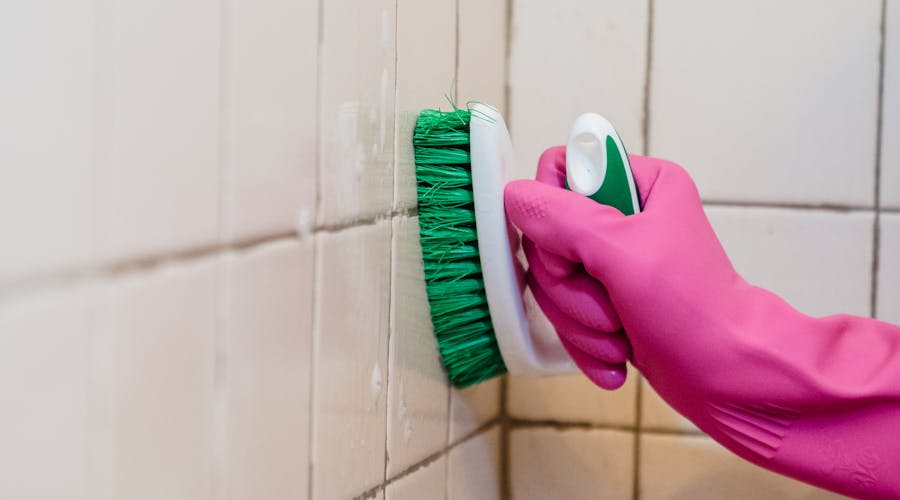
- Bathroom ceilings and tile grout (poor ventilation)
- Under kitchen and bathroom sinks (slow leaks)
- Behind refrigerators (condensation drips)
- Attic (hot, humid air meets cold AC ducts)
- Crawl spaces and pier-and-beam foundations
- Anywhere that flooded or had water intrusion
Control Indoor Humidity
Keep indoor relative humidity below 60% at all times — ideally 30–50%. Run bathroom exhaust fans during and for 20 minutes after every shower. If your AC struggles to dehumidify properly (common in Houston with older systems), consider a whole-home dehumidifier installed on the HVAC system. A $30 hygrometer from any hardware store can monitor humidity levels in different rooms.

Fix Leaks Immediately
Mold can begin growing within 24–48 hours of a water event. Any leak — faucet, toilet wax ring, roof, window, or foundation — should be repaired within hours, not days. After any leak, dry the affected area with fans and a dehumidifier for at least 48 hours. If you see discoloration or musty smell, mold may already be present.
Improve Attic Ventilation
Houston attics reach 140–160°F in summer. When hot, moist attic air meets the cool AC ducts and ceiling drywall, condensation forms — creating perfect mold conditions. Ensure your attic has adequate soffit and ridge ventilation (1 square foot of ventilation per 300 square feet of attic floor), and that insulation doesn’t block soffit vents.

Use Mold-Resistant Products in High-Risk Areas
When renovating bathrooms or kitchens, always use mold-resistant drywall (often called “greenboard” or “purple board”), mold-resistant primers and paint, and non-porous grout sealers. These materials cost 10–15% more than standard products but eliminate mold problems in the most vulnerable areas.
Gasca Services: Houston Mold Prevention Specialists
We fix leaks, improve ventilation, install dehumidifiers, and re-caulk moisture-prone areas across Houston. Don’t let mold take hold — call (832) 573-7791 for a free home moisture assessment.




Leave a Reply