
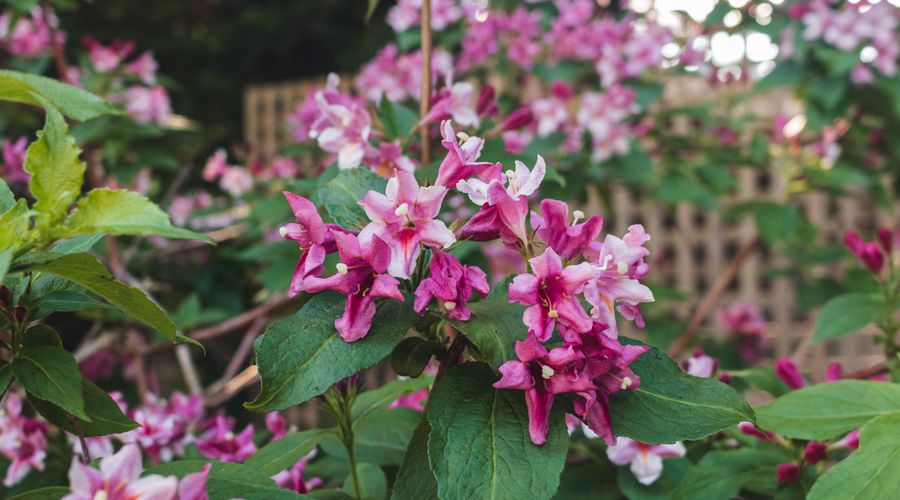


Garden and Yard Prep for Houston’s Growing Season
April is one of the best months to be in a Houston garden. Temperatures are warm but not brutal, spring rains provide natural irrigation, and the soil is workable. This is your window to plant, amend soil, and set up systems that will carry you through the long, hot summer with minimal effort.
Know Your Houston Soil
Houston sits on expansive clay soil — sometimes called “Houston Black” clay. It’s rich in nutrients but has serious problems: it drains poorly, compacts easily, and expands and contracts dramatically with moisture changes (which is why Houston has so many foundation issues). For gardening, amend beds with 3–4 inches of compost worked into the top 12 inches. Raised beds filled with a 60/40 mix of topsoil and compost bypass clay problems entirely.
Best Plants for Houston’s Spring and Summer
Choose plants adapted to heat, humidity, and occasional drought or flood:
- Natives and adapted perennials: Black-eyed Susan, Texas sage, salvia, Turk’s cap, Gulf muhly grass
- Summer annuals: Vinca, portulaca, celosia, pentas — all thrive in Houston heat
- Vegetables: Tomatoes, peppers, okra, and sweet potatoes all grow well; plant tomatoes before May 1st so they set fruit before temperatures top 95°F
- Herbs: Basil, rosemary, thyme, and lemongrass all love Houston’s climate

Mulch: The Most Important Thing You Can Do
Apply 3 inches of hardwood mulch to all garden beds every spring. Mulch reduces soil temperature by 10–15°F (critical in Houston summers), retains moisture (reducing irrigation needs by 30–50%), suppresses weeds, and improves soil structure as it decomposes. Keep mulch 2–3 inches away from plant stems and tree trunks to prevent rot. Cedar and pine bark mulches also have insect-repellent properties.
Set Up Your Irrigation Before Summer
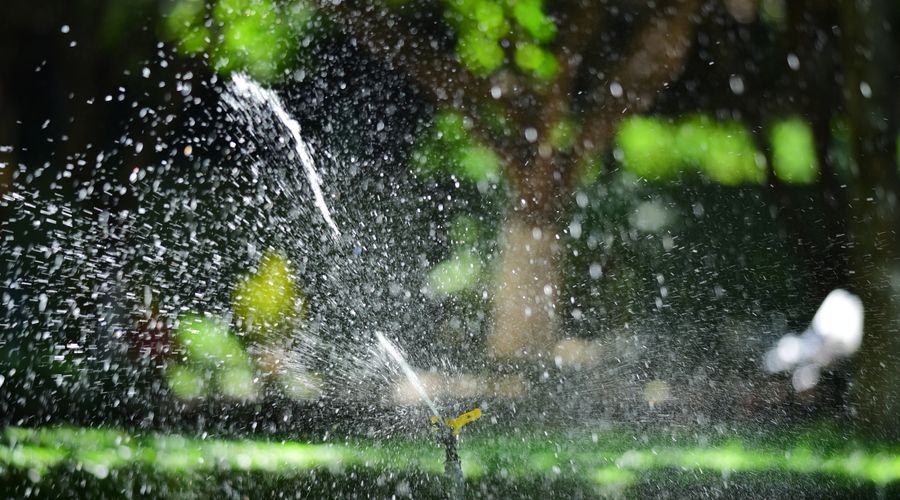
April is the time to test and adjust your irrigation system before summer demand begins. Check every head for proper rotation and coverage, replace cracked or clogged heads, and adjust run times for spring vs. summer schedules. Installing a rain sensor (required by Texas law on new irrigation systems) prevents watering after rain events. Consider drip irrigation for garden beds — it delivers water directly to roots, reducing waste by 30–50% compared to overhead sprinklers.
Garden and Yard Services by Gasca Services
We provide garden bed prep, mulching, irrigation system setup and repair, and landscaping throughout Greater Houston. Call (832) 573-7791 for a free yard consultation this spring.

Leave a Reply